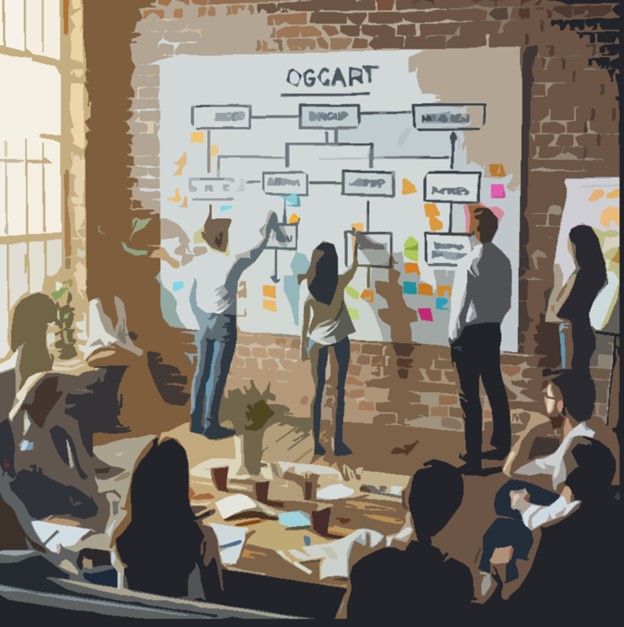
As leaders, we often focus on transformative technologies and new initiatives as key elements for achieving strategic goals. However, there’s an under-recognized aspect of leadership that deserves more attention: crafting the organization itself.
Beyond hiring the right people, leaders must also determine where these individuals fit within the organization. This dynamic process isn’t static; it involves reseating team members based on business needs and external pressures.
Working within an organization, I annually assess our organizational structure in light of our goals. This evaluation extends beyond internal objectives to consider external factors that impact universities. Universities are seen as slow to change, and these “externalities” can threaten the core identity of a sometimes rigid institution that has evolved slowly over decades. This makes change hard, but even more necessary.
Organizational engineering—both initial design and ongoing adjustments—is critical. It’s not just about having the right people and technology; it’s about placing them strategically to respond to internal and external demands. Monitoring organizational performance and anticipating structural shifts are continuous responsibilities.
Here’s my approach to organizational engineering:
- Monitor Performance: Regularly evaluate organizational performance. If outcomes aren’t aligning with goals, examine the structure promptly.
- Listen to Stakeholders: In higher education, students define the marketplace. Understand their needs and adapt accordingly.
- Prepare Your Team: Recognize that your team isn’t composed of robots. They need preparation for organizational shifts, including changes in reporting lines, procedures, and technology.
- Think Short-Term: Long-term planning has diminishing value due to the ever-changing landscape. Stay agile and adjust plans as needed. I usually mix a long-term aspiration (e.g., making IU Online a leader in online education). Everything else gets re-evaluated very 6-12 months.
- Master Logistics: Understand the practical constraints of organizational changes. Consider HR policies, required skills, and budget implications. These are the rules of the game. They often define possibilities and speed. Learn them.
- Engage Your Team: You don’t do all of this alone. Open conversations with your team provide valuable insights and foster buy-in. Energize the team by involving them in structural shifts. I like making this a team-based process.
Ultimately, effective organizational engineering ensures responsiveness to stakeholders while optimizing goal achievement. Best of luck, and I’d love to hear your thoughts!
 .
. 
Leave a comment